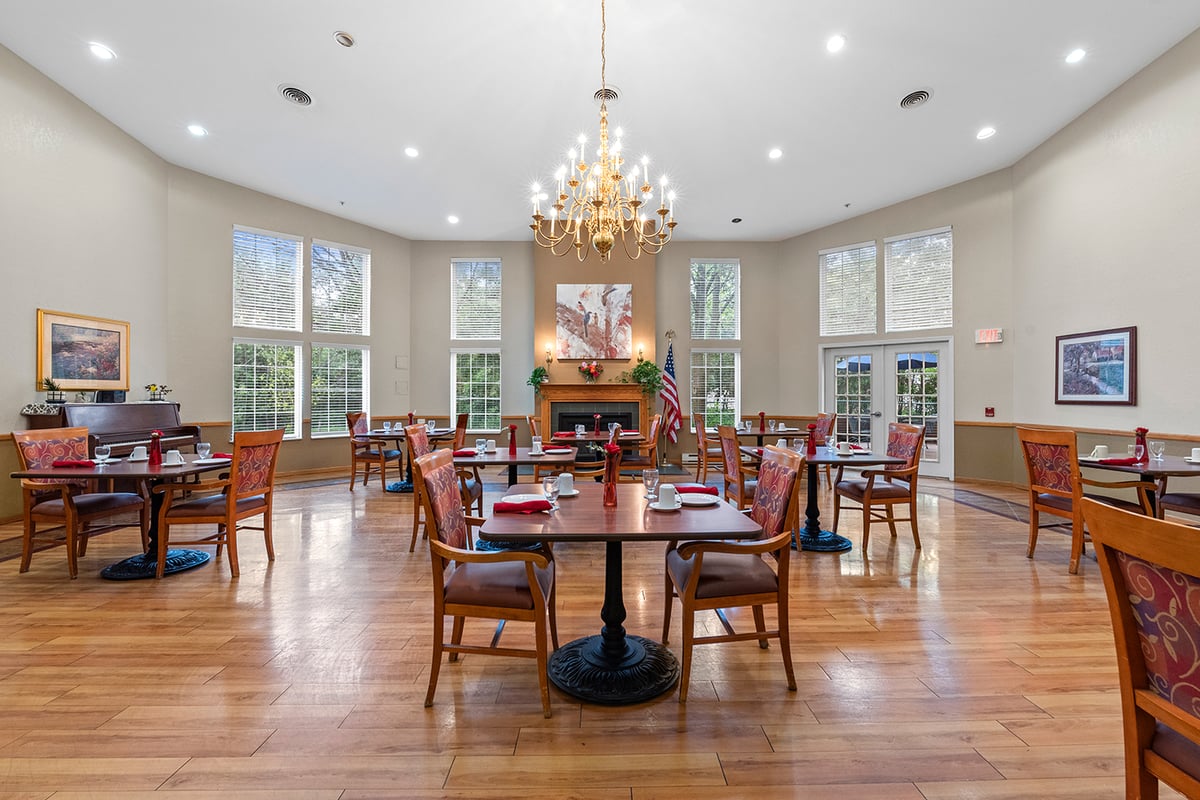

Memory loss touches nearly every family as years pass; brain health shapes how you live, connect, and stay yourself. Oak Gardens Place Assisted Living in Altoona, WI, focuses on aging minds with clear guidance, daily engagement, and support that adapts as cognition changes.
An estimated 7.2 million Americans age 65 and older are living with Alzheimer's dementia in 2025, and about 1 in 9 older adults has the disease, according to the Alzheimer's Association.
You may feel overwhelmed by what aging minds face, yet knowledge brings focus and confidence. Brain changes with age can be subtle at first; learning how cognition shifts helps you see early signals and act with purpose.
You deserve clear guidance that speaks plainly and respects your family's journey. Oak Gardens Place offers insight into brain health awareness, aging, and cognition, and ways to support meaning in everyday life.
How Does Aging Affect Cognition?
Aging can change how fast you process information, recall names, or shift focus during tasks. Attention may wander sooner; problem-solving can take longer. Patterns stay predictable, which helps you notice what feels typical versus concerning.
Daily habits shape how cognition responds over time. Sleep quality, movement, and mental stimulation influence clarity and recall. Supportive routines help you stay engaged and confident as the brain adapts.
What Supports Brain Health as You Age?
Consistent structure helps the brain stay active and organized. Social connection, learning activities, and purpose-driven days strengthen mental pathways. Engagement keeps thoughts flexible and responsive.
Families play a strong role in reinforcing healthy patterns. Clear communication, patience, and shared activities build trust and comfort. Guidance focused on learning and engagement supports steadier cognitive function.
Building Daily Brain Strength
Your brain responds to routine, challenge, and rhythm. Structured days help reduce strain while keeping thinking active. Small mental workouts support brain health awareness without pressure.
Daily engagement works best when variety stays balanced with comfort. Short activities spaced through the day help focus stay steady. Consistent mental practice supports clarity as aging continues.
Activities that support cognition include:
- Word games
- Music listening
- Guided discussion
- Reading aloud
- Pattern matching
Understanding Aging And Cognition Changes
Cognitive change often shows up in speed rather than ability. Processing may slow; understanding stays strong with the right pacing. Learning how aging and cognition interact helps you respond with calm and confidence.
Support works best when expectations feel realistic. Clear cues, patience, and repetition strengthen daily success. Predictable structure helps reduce frustration and supports memory flow.
Helpful adjustments include:
- Slower pacing
- Clear instructions
- Visual reminders
- Quiet settings
- Familiar routines
Encouraging Senior Engagement Every Day
Connection fuels mental strength. Conversation, shared meals, and group activities help thoughts stay flexible. Strong senior engagement reduces isolation and supports emotional balance.
Participation should feel welcoming, never forced. Choice keeps dignity intact while motivation stays high. Meaningful interaction helps the brain stay responsive.
Ways to encourage engagement include:
- Small groups
- Creative tasks
- Gentle movement
- Story sharing
- Music sessions
Supporting Family Education On Aging
Families notice changes first; understanding reduces fear. Clear education helps you respond with patience instead of stress. Family education on aging builds stronger relationships and better outcomes.
Learning what to expect keeps communication steady. Shared language helps everyone stay aligned. Informed families support confidence and trust.
Helpful learning topics include:
- Memory shifts
- Communication cues
- Routine changes
- Emotional signals
- Support strategies
Promoting Lifelong Learning Habits
Learning never stops helping the brain. New skills and refreshed interests support lifelong learning for older adults. Curiosity keeps neural pathways active.
Short lessons work better than long sessions. Familiar topics mixed with novelty keep interest strong. Ongoing curiosity supports mental flexibility.
Learning activities may include:
- Discussion groups
- Art projects
- Language basics
- Technology practice
- Guided lectures
Frequently Asked Questions
How Does Cognitive Aging Usually Begin?
Cognitive aging often starts with slower recall and reduced processing speed. Names may take longer to surface; focus may fade sooner during complex tasks. Understanding and personality often remain steady during early change.
Patterns matter more than single moments. Consistent shifts in memory, attention, or judgment deserve closer notice. Tracking changes over time supports clearer decisions.
Can Learning Still Help an Aging Brain?
Learning continues to support mental flexibility at every age. New skills encourage neural connections and reinforce confidence. Short, repeatable lessons often work best.
Familiar topics mixed with light challenges keep engagement steady. Curiosity supports motivation and routine. Consistency shapes stronger outcomes than intensity.
How Do Families Support Cognitive Changes At Home?
Clear communication helps reduce stress. Simple language, calm pacing, and visual cues support daily success. Predictable routines create comfort and reduce confusion.
Education strengthens family response. Understanding common cognitive shifts helps replace frustration with patience. Shared expectations improve trust and connection.
When Does Assisted Living Support Make Sense?
Assisted living helps when structure becomes harder to maintain alone. Missed routines, social withdrawal, or repeated confusion may signal the need for added guidance. Support provides stability without removing independence.
Communities focused on engagement and learning offer a daily rhythm. Oversight, activities, and social connection work together. Families gain reassurance while older adults stay meaningfully involved when living in an amenity-filled community.
How Can the Environment Influence Cognitive Comfort?
Physical surroundings affect focus, mood, and memory. Calm spaces with clear layouts help reduce mental strain and support orientation. Familiar objects and consistent room arrangements reinforce comfort.
Sensory balance matters as well. Gentle lighting, controlled noise, and visual cues support attention. Thoughtful environments help cognition feel steadier throughout the day.
Life And Support at Oak Gardens Place Assisted Living
Brain wellness thrives when structure, engagement, and care align with changing needs; Oak Gardens Place Assisted Living centers daily life around that balance. Insight into aging and cognition shapes routines, learning moments, and connections that respect dignity while supporting mental clarity.
Enjoy days shaped by engaging moments like exercise classes, book club, bingo, happy hour, movie nights, and local outings, all within a cozy, homelike community built for connection. Comfortable apartments, chef-prepared meals, weekly housekeeping, and thoughtfully planned activities create a steady rhythm that supports clarity and joy.
Schedule a tour to explore how Oak Gardens Place Assisted Living brings comfort, engagement, and purpose together in a setting that feels welcoming from the very first hello.